
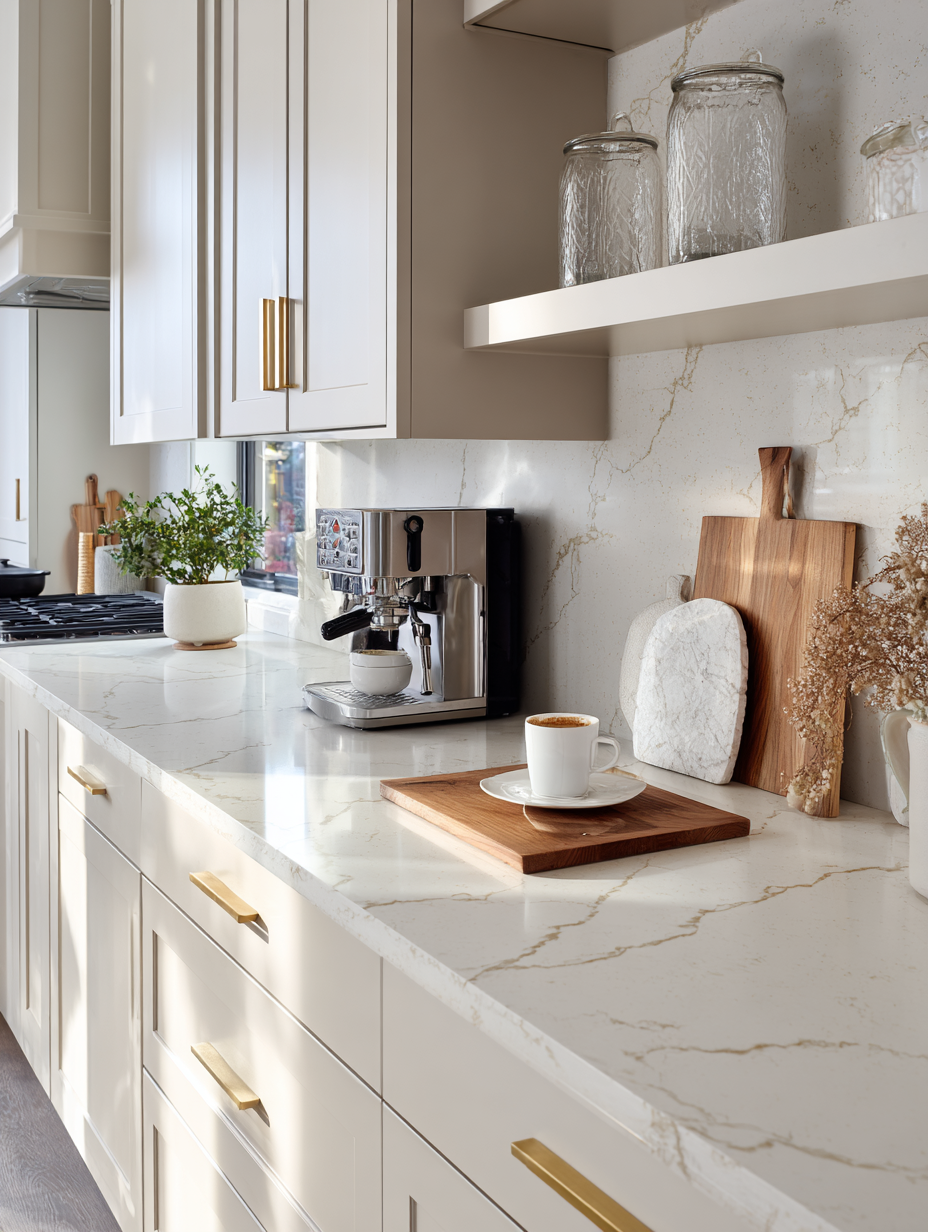
A cluttered kitchen makes everyday life feel chaotic. Between stacked dishes, overflowing drawers, mismatched containers, and limited counter space, it’s easy for the heart of your home to become overwhelming. But the good news? A calm, organized, beautifully functional kitchen is 100% achievable—even if you’re working with a small footprint or years of accumulated stuff.
Decluttering and organizing your kitchen isn’t just about storage. It’s about creating a space that supports your lifestyle, reduces stress, and makes cooking enjoyable. Whether you’re preparing for a full refresh or simply want to simplify your daily routine, this guide will help you transform your kitchen into a clean, calm, and efficient sanctuary.

Why Decluttering Your Kitchen Matters (More Than You Think)
Your kitchen is the most-used room in your home, and when it’s disorganized, it affects your mood, energy, and productivity. A clutter-free kitchen:
- Reduces visual stress
- Improves flow and efficiency
- Makes meal prep faster
- Helps you avoid duplicate purchases
- Encourages healthier cooking
- Feels instantly more luxurious and high-end
You don’t need a massive renovation to create a magazine-worthy kitchen. A well-organized space feels just as elevated as one with expensive finishes.

Step 1: Empty, Sort, and Reset the Entire Space
The first step to an organized kitchen is a clean slate. That means taking everything out of your cabinets, drawers, and pantry.
✔ Remove everything by category
Instead of emptying the entire kitchen at once (overwhelming), work category by category:
- Plates & bowls
- Glassware
- Mugs
- Pots & pans
- Utensils
- Pantry food
- Spices
- Cleaning supplies
- Snacks
- Baking items
This approach keeps the process manageable and helps you see what you truly own.
✔ Toss or donate what no longer serves you
Ask yourself:
- Do I use this weekly?
- Does it have a purpose?
- Is it a duplicate?
- Is it broken or worn out?
- Does it align with the lifestyle I want?
Be ruthless. A calm kitchen starts with less, not more.
Step 2: Create Intentional Zones
Once everything is emptied and sorted, it’s time to design your kitchen around zones—specific, functional areas for each type of task. This is a powerful technique used by professional organizers and designers to make kitchens more intuitive.

The core zones include:
1. Prep Zone
Near the sink + main counter space.
Store: knives, cutting boards, mixing bowls, salad spinners, prep tools.
2. Cooking Zone
Near the stove.
Store: pots, pans, spatulas, oil, spices used daily.
3. Cleaning Zone
Under the sink.
Store: cleaning supplies, dishwasher pods, rags, trash bags.
4. Coffee or Beverage Zone
Create a designated area.
Store: coffee beans, mugs, filters, tea, syrups.
5. Baking Zone (optional)
If you bake often.
Store: flour, sugar, baking tools, mixing bowls.
6. Pantry/Food Storage Zone
Dry goods, snacks, cans, grains, seasonings, sauces.
When your kitchen has clear zones, everyday tasks flow naturally and efficiently.

Step 3: Organize Cabinets and Drawers for Maximum Function
Now that your zones are defined, it’s time to set up your cabinets and drawers with smart, intuitive organization.
Upper Cabinets (Daily Essentials)
Store items you use most often at eye level:
- Plates
- Glasses
- Bowls
- Mugs
- Snack bowls
- Everyday serveware
Keep these items close to the dishwasher for easier unloading.

Lower Cabinets (Heavier Items)
Lower cabinets are ideal for:
- Pots & pans
- Blenders
- Slow cookers
- Dutch ovens
- Strainers
- Baking sheets
- Small appliances
Use pot lid organizers, pan racks, and vertical dividers to keep everything accessible.

Drawers: A System That Actually Works
Top drawers
Store daily-use utensils:
- forks, knives, spoons
- simple cooking tools
- measuring spoons
- scissors
Use dividers to prevent clutter.

Middle drawers
Store medium-use tools:
- spatulas
- whisks
- tongs
- baking utensils
- peelers, can openers, zesters
Bottom drawers

Store bulkier items:
- storage containers
- mixing bowls
- plastic bags
- wraps and foils
Step 4: Declutter and Organize Your Pantry

A clean pantry makes your entire kitchen feel calmer.
✔ Remove expired items
You’ll be shocked how much space this frees up.
✔ Group like items together
Keep categories tight and simple:
- Pasta & grains
- Snacks
- Breakfast foods
- Baking supplies
- Canned foods
- Sauces & condiments
- Spices

✔ Use clear bins and labels
Clear bins reduce visual clutter and help you quickly see what you’re running low on.
✔ Invest in matching containers (if budget allows)
This instantly elevates your pantry aesthetic. Even local discount stores carry matching containers for cheap. It doesn’t have to be the most luxurious, it just needs to function.
✔ Keep daily items front and center
Create a “quick grab” zone for snacks, breakfast items, smoothie ingredients, or lunch prep. Placing them in decorative bowls and dedicated areas keeps it looking neat and tidy.
Step 5: Curate Your Countertops (Less = More)
Clear countertops create instant calm.

Only keep out the items you use every single day, such as:
- coffee machine
- toaster
- salt & pepper
- olive oil
- fruit bowl
- a small vase or decorative tray
Everything else should live in cabinets, drawers, or pantry shelves.
✦ Use trays to contain small items
A tray instantly makes your counter look styled—rather than cluttered.
Step 6: Optimize Your Fridge and Freezer
Many people forget about fridge organization, but it affects how you cook and how much food you waste.

✔ Remove old items
Expired condiments? Gone.
Old leftovers? Toss them.
Duplicate jars? Consolidate.
✔ Group foods together
Use clear, airtight containers for:
- fruits
- vegetables
- cheese
- proteins
- snacks
- meal-prepped items
✔ Store healthy items at eye level
You’re more likely to use them when they’re visible.
✔ Use lazy Susans for condiments
This keeps the fridge tidy and easy to navigate.
Step 7: Use Smart Storage Solutions

You don’t need a full remodel to maximize storage. A few smart, affordable tools can completely change your kitchen flow.
Top organizing tools that elevate any kitchen:
- Pull-out cabinet shelves
- Lazy Susans
- Clear pantry bins
- Airtight storage jars
- Under-the-sink tension rods
- Stackable spice jars
- Drawer dividers
- Pan racks
- Lid organizers
- Expandable under-sink organizers
- Fridge bins and stackable drawers
These tools make any kitchen—big or small—feel like it was designed by a professional.
Step 8: Create a Monthly “Mini Reset” Routine
Organization isn’t a one-time event. To keep your kitchen calm long-term, do a 15-minute reset every month:
- Toss expired foods
- Wipe down shelves
- Reorganize your “hot spots”
- Refill pantry and fridge bins
- Return items to their proper zones
- Clear the counters
This simple routine keeps clutter from building up and maintains the ease you worked so hard to create.

Step 9: Style Your Kitchen with Intention
A decluttered kitchen deserves beautiful styling—but keep it simple.

Decor ideas that elevate your kitchen without adding clutter:
- A small olive-tree branch or eucalyptus in a vase
- Ceramic utensil crock
- Neutral cutting boards layered by the backsplash
- A textured fruit bowl
- Vintage or handmade pottery
- A sculptural tray
- Warm-toned dish towels
- Soft, warm under-cabinet lighting
These small touches create a calm, elevated look without compromising functionality.
Step 10: Embrace the “Less But Better” Philosophy
At the heart of kitchen organization is this truth:
You don’t need more storage.
You need less stuff.
Focus on keeping the items that enhance your day-to-day life and letting go of the ones that don’t. When your kitchen is built around the way you live—not Pinterest-perfect chaos—it becomes a supportive, peaceful, and beautifully functional place.

Final Thoughts: A Calm, Organized Kitchen = A Calm, Organized Life
Decluttering your kitchen isn’t just a home project—it’s a lifestyle shift. When your kitchen is clean, organized, and thoughtfully designed, everything else feels easier:
- You cook more
- You eat healthier
- Your mornings are smoother
- Your evenings are calmer
- Your home feels more intentional
A beautifully organized kitchen brings clarity to your space and your mind.
And the best part?
You can start today—one drawer, one cabinet, one shelf at a time.