
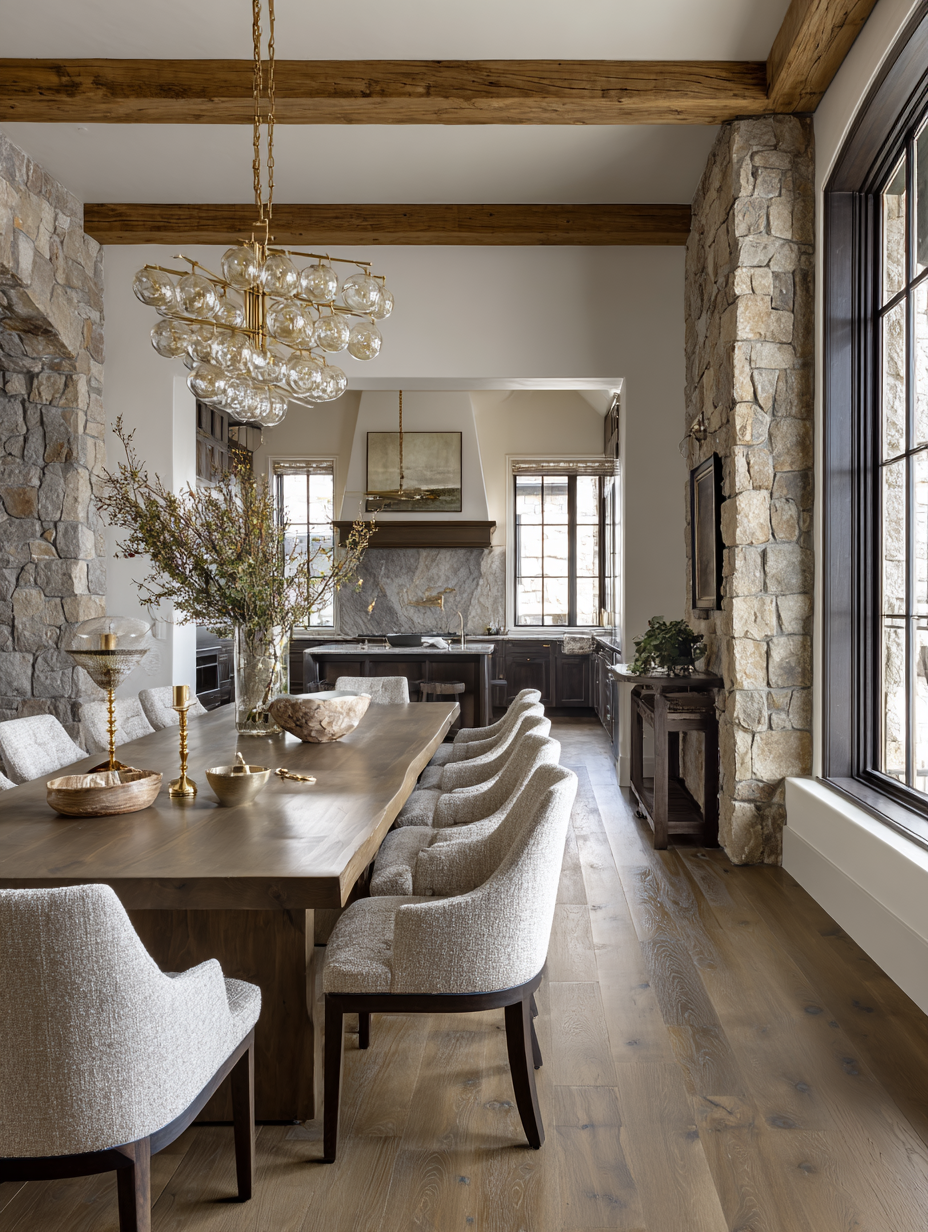
Lighting can completely change the feel of a dining room. The right fixture makes a space feel intentional, warm, and elevated — while the wrong one can make even beautiful furniture feel off.
If you’ve ever stared at hundreds of pendant and chandelier options wondering “How do I know which one is right?” — this guide breaks it down step by step.
We’ll cover size, height, style, and finish so you can choose a dining light that looks designer — not accidental.

Why Dining Room Lighting Matters So Much
The dining table is the emotional center of the home. It’s where people gather, linger, and connect. Your light fixture does more than illuminate — it:
- Anchors the entire room
- Sets the mood
- Defines your design style
- Makes the space feel finished
Because it sits directly above the table, the dining light becomes a visual focal point. Getting it right instantly elevates the whole room.

Step 1: Choose the Right Size Fixture
The most common mistake is choosing a light that’s too small. Undersized fixtures make a dining room feel unfinished and off-balance.

📏 The Ideal Width Rule
Your light fixture should be ½ to ⅔ the width of your dining table.
Example:
- 36″ wide table → fixture 18–24″ wide
- 42″ wide table → fixture 21–28″ wide
- 48″ wide table → fixture 24–32″ wide
This keeps the light proportional and visually grounded.
For Long Dining Tables
Rectangular tables look best with:
- Linear chandeliers
- Multiple pendants in a row
- Elongated fixtures
Round fixtures over long tables often look too small and disconnected.

Step 2: Hang It at the Correct Height
Even a beautiful fixture looks wrong if it’s hung too high or too low.
💡 Standard Hanging Height
The bottom of the light should sit:
30–36 inches above the dining table
This height:
- Keeps sightlines open
- Provides flattering light
- Prevents glare
If your ceilings are over 9 feet, you can add an extra inch or two, but stay within visual comfort.

Step 3: Match the Fixture Shape to the Table
Your lighting should echo the table’s form for visual harmony.
| Table Shape | Best Light Shapes |
|---|---|
| Rectangular | Linear chandeliers, multiple pendants |
| Round | Single round pendant or chandelier |
| Oval | Soft oval or clustered globes |
| Square | Geometric or drum-shaped fixtures |
When shapes align, the room feels intentional and cohesive.


Step 4: Choose the Right Style for Your Space
Your dining light helps define the room’s personality.
🌿 For Organic Modern Interiors
Look for:
- Warm metals (brass, champagne bronze)
- Linen or textured shades
- Soft globe lighting
- Natural materials like rattan or wood accents
These feel warm, calm, and high-end without being flashy.

🖤 For Modern or Minimal Spaces
Choose:
- Matte black finishes
- Sculptural silhouettes
- Slim linear forms
- Frosted glass globes
These create a clean, architectural feel.
🤍 For Classic or Timeless Rooms
Go with:
- Lantern-style chandeliers
- Aged brass finishes
- Simple white or cream shades
Timeless shapes age beautifully.
Step 5: Pay Attention to Finish & Materials
Finish is what makes a light look expensive — or cheap.
Finishes that feel elevated:
- Brushed brass
- Aged bronze
- Matte black
- Soft champagne tones

Materials that add depth:
- Frosted glass (softens light)
- Ceramic or stone textures
- Woven natural fibers
- Linen shades
Avoid overly shiny chrome or busy decorative details if you want a designer look.

Step 6: Consider Light Quality
Dining rooms should feel warm and inviting, not harsh.
Choose bulbs in the 2700K–3000K range for a soft, flattering glow.
Dimmable lighting is ideal — it lets you shift from bright meals to cozy evening ambiance.
Step 7: Think About the Whole Room
Your dining light shouldn’t exist alone. It should connect to:
- Cabinet hardware
- Faucet finishes
- Wall sconces
- Table decor
- Mirror frames
Pick one or two metal tones and repeat them for a cohesive look.

Common Dining Lighting Mistakes to Avoid
❌ Fixture too small
❌ Hung too high
❌ Competing metal finishes
❌ Overly decorative styles in modern spaces
❌ Cool white bulbs (feels sterile)
Final Thoughts
Choosing the best dining room light comes down to balance:
✔ Proper scale
✔ Correct hanging height
✔ Style that matches your space
✔ Warm, flattering light
When these elements work together, your dining room instantly feels elevated, intentional, and designer-level — without needing a full renovation.

This post may contain affiliate links. If you make a purchase through these links, we may earn a small commission at no extra cost to you.